Showing posts with label child health. Show all posts

5 Important Tips For Great Dental Health

 Important Tips For Great Dental Health
 Important Tips For Great Dental Health

 5 Important Tips For Great Dental Health


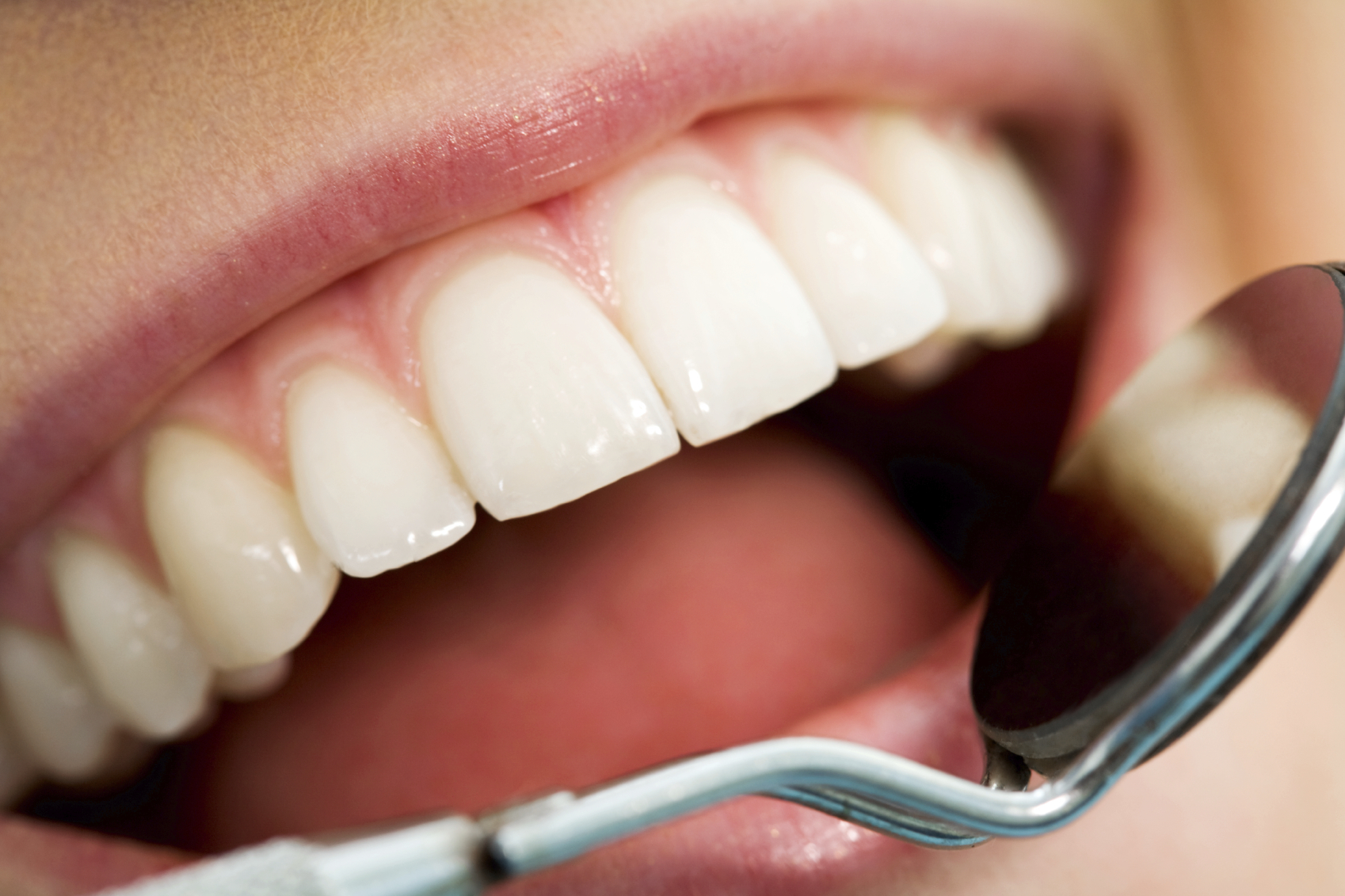
Having great dental health is an important part of life. Dental health not only affects your mouth but recent studies have shown that is also affects your actual health. It is important to have great dental health. If you don't know how to achieve great dental health here are 5 tips that can help you.

The first important tip for great dental health is to brush your teeth. Brushing your teeth two to three times a day will help you on your way to great dental health. You want to make sure that when you are picking out a toothbrush that you pick a toothbrush with a small head. Picking a toothbrush with a small head with help you to be able to get your toothbrush in the very back of your mouth and make it easier to reach all of those hard to reach places. To also help ensure that you get great dental health you will want to pick toothpaste that has the ADA stamp of approval. ADA stands for American Dental Association. Getting ADA toothpaste helps to get you one step closer to great dental health because the ADA has certain standard that have to be met to ensure safety.

The second important tip for great dental health is to floss daily. Flossing every day helps get you great dental health by making sure that you have gotten as much debris, plaque and any other bacteria that might be lingering around either on your teeth, in between your teeth or on your gums. Also, flossing helps prevent gum diseases. Preventing gum disease is very important in helping get great dental health. In recent research that has been done gum diseases can lead to more serious health problems. When choosing floss you want to make sure to pick floss that is compatible with your teeth and gums. For instance, if you have teeth that are very close together you will probably want to get floss that has a waxed coating. Waxed coating will help the floss glide through your teeth with less difficulty. Having the right kind of floss is important for great dental health.

The third important tip for great dental health is to rinse out your mouth with either water or mouthwash after meals when you can't brush. Swishing or gargling water or mouthwash after meals will help get rid of debris and other bacteria's that might be left behind from your meals. You want to help get rid of as much debris and bacteria's as you can for dental health because it will help decrease the plaque in your mouth. Debris and bacteria cause an acid to form on your teeth that causes plaque and eats away at enamel. If plaque is not removed it can turn to tartar. Once plaque has turned to tartar only a dentist can get it off. So the less plaque you have on your teeth the better.

The fourth important tip for great dental health is to use mouthwash that contains fluoride. Using a fluoride mouthwash will help strengthen the enamel on your teeth. Strengthening the enamel on your teeth is great for dental care because the harder the enamel is on your teeth the tougher it is for plaque to stick and for acid to eat at it.

The fifth important tip for great dental health is to see your dentist on a regular basis. Usually dentists like you to come in every 6 months for a cleaning. Going to the dentist every six months is important for great dental health because they will do a detailed check up of all your teeth. The dentist will also clean off any tartar build up that has occurred. The only way to get tartar off of your teeth is to have your dentist take it off. Your dentist will do a procedure called scaling that takes all of the tartar off of your teeth. Getting all of the tartar off of your teeth is important for great dental health because tartar can cause gum disease.

All of these tips are important tips for great dental health. There are a lot of other ways to achieve great dental health. For more information on great dental health contact your dentist.

Homeopathic, Natural and Not-So-Natural Teething Remedies

Homeopathic, Natural and Not-So-Natural Teething Remedies

 Homeopathic, Natural and Not-So-Natural Teething Remedies


Many parents know all to well the signs of teething in their baby but many feel powerless to help their child's teething problems. However, there is a range of teething remedies for all stages of your baby's teething. Knowing the remedy available and how and when to apply it is the key.

Homeopathic teething remedies are a great way to ease the discomfort of baby teething. Homeopathic remedies have been used for many years and can be highly effective, but you should only use a homeopathic teething remedy in conjunction with expert advice and guidance.

Apis mellifica is used to ease swollen gums before and after the eruption of teeth. Apis mellifica means 'whole honeybee' and was first discovered by the Rev. Brauns, in Thuringia, Germany, in 1853.

Calcarea carbonica: Some babies are late to teeth and the experience can be very distressing for late developers. Babies who need this remedy are usually chubby, slow to learn to crawl or walk and their heads often sweat during naps or sleep at night.

Essential oil of cloves has long been known as a natural local anesthetic. You administer the clove oil by adding one drop in one or two tablespoons of organic sunflower oil.

Kreosotum: This remedy can ease a child's stress when she has irritating saliva and severe discomfort during teething. Kreosotum is very beneficial if a baby's teeth succumb to decay soon after erupting from the gums.
Pulsatilla: especially good for teething babies who are clingy, nervous or tearful.
Sulphur: good if your baby has a reddish irritation or rash on the chin or diaper area during teething episodes. Diarrhea (often whitish) is not caused irectly by teething but because of stress from teething. The baby is irritable and anxious, feeling worse from being warm.

Other Natural Homeopathic teething remedies include a stick of licorice and chamomilla. As stated above, any parent contemplating using a homeopathic remedy for teething should do so only in conjunction with expert medical advice.

Natural teething remedies are becoming more popular as many parents want to avoid the use of any drugs or medicines on their baby. Many natural teething remedies have been around for thousands of years; there effectiveness depends on the child.

Bread, in various forms has been used for thousand of years, more recently the bagel has been used by parents in both Europe and America; the bagel being the right consistency - as is doesn't break apart too easily - and it's also a very easy shape for young child to grab hold of. Teething biscuits are also very popular. In the recent past many parents began to avoid buying teething biscuits as the biscuits often contained large amounts of sugar, salt and other ingredient not good for babies. But, things have changed and many manufacturers make teething biscuits free of these bad ingredients.

Vegetables are also commonly used to ease the pain of baby teething. Vegetables such as carrots and cucumbers make ideal soothers because of their texture - you can also put them in the fridge beforehand, as the coolness will also numb teeth and gums.

Some of the more dubious natural teething remedies include the wearing of coral as a necklace. The ancient Egyptians recorded this practice. Also amber necklaces have, and are still used, as natural teething remedies, as are silver spoons.

For those parents who don't care whether a teething remedy is natural or not the following can be tried.
The first recorded use of teething rings has been found on Sumerian sandstone tablets, around 3000 years ago. Perhaps teething rings could be considered natural but many were made of plastic using diisononyl phthalate - a chemical which can be cancer causing. The chemical is used as a softening agent during the manufacturing process and most teething toys contain about 10 to 20 percent phthalate. Many manufacturers have now stopped using this chemical but not all!

Other no-so-natural teething remedies include teething gels. Many teething gels contain a mild analgesic that act as a painkiller and also contain mild antiseptics that kill a variety of bacteria and fungi that might infect sore or broken skin in the mouth. Experts caution against the excessive use of teething gels as they contain benzocaine. There is a risk of allergic reaction. In addition, benzocaine can cause numbing of the throat and could lead to choking. Consult your doctor if you want to help relieve your child's pain with benzocaine.

Teething tablets are designed to melt quickly in the child's mouth and, in so doing, help alleviate the pain of teething. The active ingredients are usually Chamomilla (see homeopathic remedies above), which helps reduce irritability, and Belladonna, which helps reduce inflammation. Consult your doctor before using teething tablets.

The above are just some of the options available to parents to help ease a child's teething pains but there are many more teething remedies. Perhaps the best teething remedy for your baby is just good old fashioned patience, distraction and, above all, lots of cuddles.